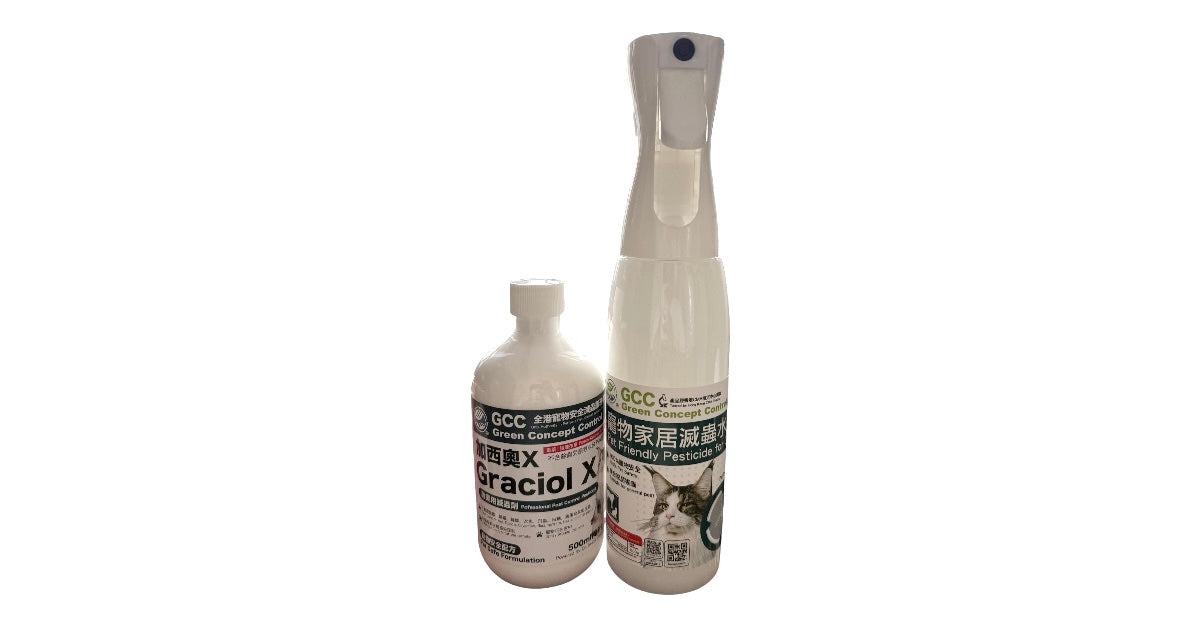
Graciol X
A truly 100% pet-safe insect repellent invented and manufactured by Hong Kong people
Graciol X
Graciol X
STC Testing CentreAnimal Oral Toxicity Test Report: No. HC24080835
The core logic is: to change the partition coefficient (LogP) of the molecule, shifting it from "tending to remain in body fat and nervous system" to "tending to dissolve in water and be excreted through the kidneys."
If the modified molecules are combined with a polymer carrier, increasing their molecular weight to greater than 60,000 Daltons (exceeding the glomerular filtration limit), these substances will not enter the renal tubules. Instead, they will be excreted via the hepatobiliary pathway with feces, or remain on the sprayed surface without being absorbed.
These large molecules simply cannot enter the kidney filtration system and are ultimately secreted by the liver into bile, excreted with feces, or are not absorbed at all by the intestines/skin. This avoids secondary harm to the kidneys/animals with kidney disease.
On the other hand, these massive molecular structures are physically unable to penetrate the skin pores of amphibians or pass through the semipermeable membranes of gills. The drug will remain in the water or settle, without entering the bloodstream.


專利功能性貓砂系列
-
專業雙效滅蟲豆腐貓砂 18L
Regular price From ¥2,900 JPYRegular priceUnit price per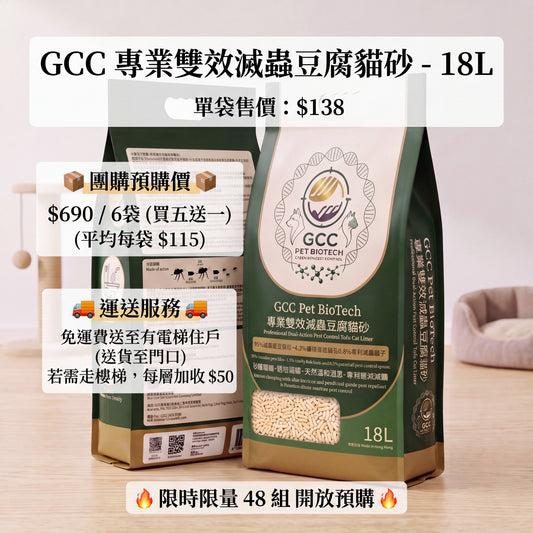
天然食品級 L-乳酸
-
GCC ® Professional Disinfectant Cleaner (Pet Safety) 2.5L (liter)
Regular price ¥6,000 JPYRegular priceUnit price per¥6,000 JPYSale price ¥6,000 JPY
-
GCC ® professional cleaning disinfectant (pet home applicable) 2.5 L (liter) concentrated
Regular price ¥6,000 JPYRegular priceUnit price per¥6,200 JPYSale price ¥6,000 JPY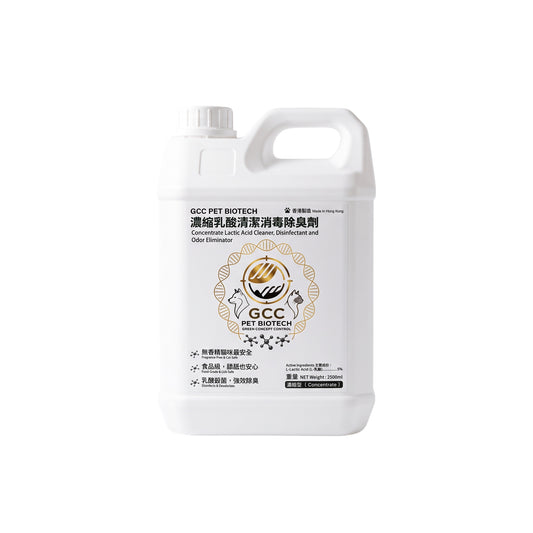 Sale
Sale -
乳酸消毒清潔除臭劑500ml
Regular price ¥2,100 JPYRegular priceUnit price per¥2,700 JPYSale price ¥2,100 JPY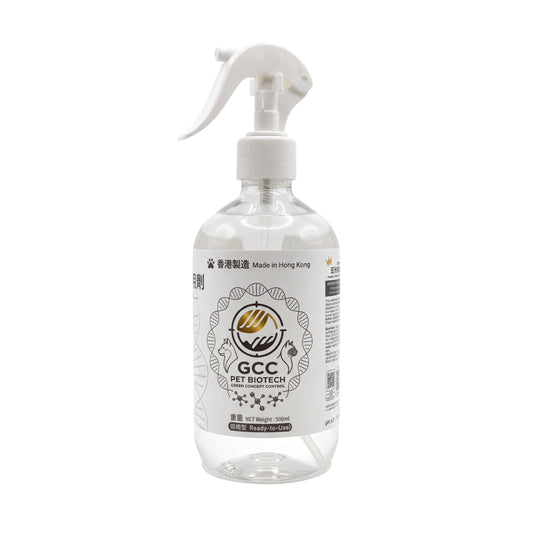 Sale
Sale -
Pet-Safe Enzyme and Pest-Repellent Cleaning Concentrate 1000ml
Regular price ¥3,900 JPYRegular priceUnit price per¥3,900 JPYSale price ¥3,900 JPY

